ExploringArizona.org Logo
Bimage1 Bimage2 Bimage3 Bimage4 Bimage5 Bimage6 Bimage7 Bimage9 Monument Valley
Make this your home page!
QUICK LINKS
Site Seach
Contact Info


Calendar
Entertainment Page
Recreation Page
Wildlife Page
   Bats
   Bees 101
   AZ's Official Wildlife
   AZ's Wildlife Viewing Areas
     Wildlife Refuges
   AZ's Wildlife Habitats
   Endangered Species
   Vertebrates
   Invertebrates
   Bird Watching Festivals
   Articles
   - Living With Large Predators
   Top 20 Encountered Wildlife
   Top 20 Small Critters
   Top 20 Encountered Reptiles
   
Sports Connection

You can Help Us.


Recommend this Site!

Advertise in this space

Like Discounts?

Join our Discount Notification Program for Discounts and Coupons.


Like Us on Facebook for Discounts, Coupons and Contests.

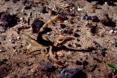
Western Diamondback Rattlesnake


Does this information need to be changed? Contact us here

At A Glance
Scientific Name Type
Crotalus atrox Reptilia
Size: up to 4 feet
Weight: 1 to 8 pounds
Characteristics: Diamond pattern on its back, a rattle at the end of its tail, and a brownish-gray color
Habitat: desert scrubland, rocky hillsides, and riparian areas near rivers and streams
Diet: small rodents such as mice, rats, and chipmunks, lizards and other snakes
Life Cycle: 10-20 years


Introduction

The Western Diamondback Rattlesnake is a venomous species of pit viper found throughout Arizona, as well as other parts of the Southwestern United States and Mexico. It is one of the largest species of rattlesnake, with adults typically reaching lengths of 3-6 feet.

Western Diamondback Rattlesnakes have a distinctive pattern of diamond-shaped markings on their back, which gives them their name. They also have a rattle at the end of their tail, which they use as a warning signal when threatened.

These snakes are primarily active during the warmer months, and can be found in a variety of habitats, including rocky areas, grasslands, and desert scrub. They are ambush predators, using their camouflage and stealth to lie in wait for prey, which includes rodents, birds, and lizards.

While Western Diamondback Rattlesnakes are responsible for numerous snakebite incidents each year, they are generally not aggressive towards humans and will usually only strike if provoked or threatened. If you encounter a Western Diamondback Rattlesnake in the wild, it's best to give it plenty of space and avoid disturbing it.

Blank Space

Blank Space


Sponsored By
Advertise Your Logo in This Space Advertise Your Logo in This Space Advertise Your Logo in This Space Advertise Your Logo in This Space

Go to Section:

Home      |     Sections      |     Affiliates      |     Exploring Arizona Directory      |     Free Stuff      |     Fun Stuff
     Webmasters      |     Contact Information

Pages created and
maintained by
AZ Sun Web Services
Copyright © 1998-2025 All rights reserved.